

Picking the right race suit doesn't have to be stressful with our easy guide. Let’s look at suitable racing suits for first gala jitters to the sharp edge of elite competition. We walk you through the stages, with realistic advice so you get the most value from every purchase.

Why the right suit matters
Race suits do two main jobs: compress muscles and reduce drag so swimmers move through the water more efficiently. When combined with suitable training this can lead to faster times for swimmers.

1. First Race Suit: Beginner level

Most club swimmers get a first race suit around the time they start gala competitions. For beginners, a stitched seam suit made from durable, chlorine-resistant fabric offers comfort, confidence, and longevity.
We recommend Speedo Endurance+ Max and the Amanzi Kneelength range for durability and chlorine resistance. Tight-fitting but not compressive, they are the perfect entry-level option, especially for younger swimmers.
For those chasing district and regional times, the Speedo Fastskin HyperSpark, Arena Powerskin ST NEXT, Amanzi Acceler8 Race Suits or Arena Powerskin IMPULSO is a step up, providing muscle support and minor compression.
Fit tip: It should be snug but not restrictive; you want no material gathering/rippling, and it should be comfortable to get in and out of.
2. Moving up: Advanced and junior competitive level
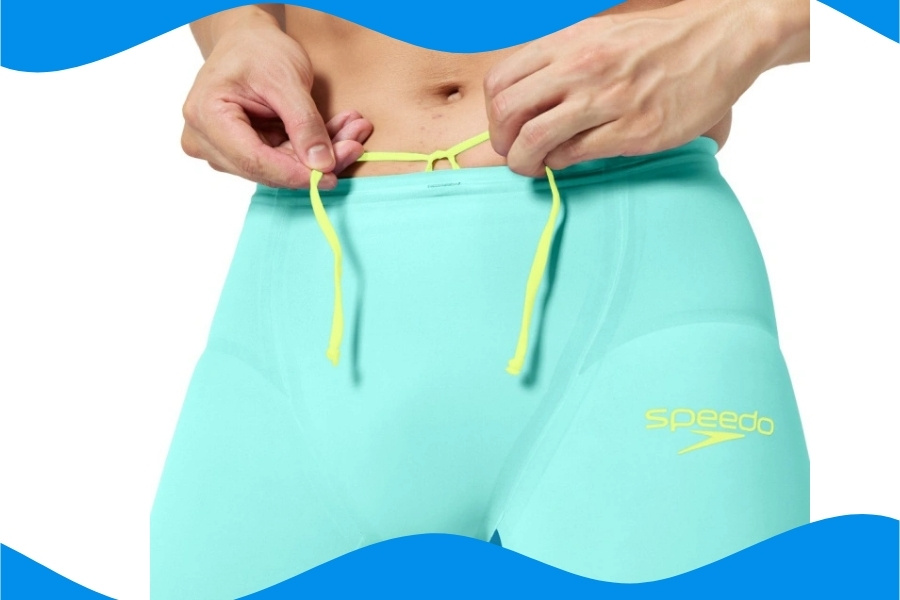
Racing suits with bonded seams and hydrophobic fabrics offer an even better reduction in drag. They introduce targeted compression zones to support your key muscles while still allowing a full range of motion.
Once your swimmer is consistent in training, competing regularly and chasing times and PBs, you should consider stepping up to suits like the Arena Powerskin Carbon Air2 or the Speedo Fastskin LZR Pure Valor 2.0. For Scottish Swimmers 13 years and younger, please check the Scottish Swimming Race Suit Guide.
Fit tip: It should be like a second skin, tight around all openings. Please measure up and take your time putting it on, as the fabric is thinner.
3. Elite race suits: sharper tech, sharper margins

Elite suits use enhanced fabric technology and precision compression to shave off fractions of a second. These suits provide benefits for advanced swimmers looking for marginal gains.
Top choices include models like the Arena Powerskin Carbon Core FX (for sprinters), Arena Powerskin Carbon Glide, Arena Powerskin PRIMO, and the Speedo Fastskin LZR Pure Intent 2.0. These are World Aquatics-approved and used by international competitors.
Choosing the right level
- Technique still developing? Stay with beginner suits, they are more comfortable, durable and confidence-building.
- Chasing club PBs? Upgrade to bonded seams and smarter fabrics for better glide.
- Aiming at national finals? Elite suits can provide marginal gains, but the suit will not replace consistent training.
Fit, care, reality check
Getting the right fit is key. If it's too loose, it increases drag, and if it's too tight, it can restrict breathing and movement. Always try a suit on if possible, or follow the manufacturer's size guides closely. The highest compression racing suits require patience when putting on and will always feel super tight.
Care tips: Rinse suits with fresh water after every use, don’t use harsh detergents, and do not dry on a heat source such as a radiator. Do not use the race suit for warm-ups or cool-downs; that’s how they wear out fastest. Follow the manufacturer’s instructions for drying and storage. For more info, read our Care Guide.
Lastly, a suit is a tool, not a solution. Comfort and confidence often beat bells and whistles on race day.